
Buying a Do-Up in Auckland: What to Consider Before You Take on a Renovation Project
By Sarah & Julie – Harcourts | Auckland Real Estate Agents | Selling Auckland-Wide. Licensed under the REAA 2008.
Do-up properties have a particular kind of appeal. There’s the excitement of a blank canvas, the promise of instant equity if you get the numbers right, and often the chance to secure land or a location that would otherwise be out of reach. But buying a do-up in Auckland is a different kind of purchase to a turnkey home, and it pays to go in with your eyes open. Here’s what’s worth thinking through before you commit.
Know What You’re Actually Buying: The Land or the House
With many do-ups — particularly older homes that are no longer habitable — the real value often sits in the land itself. Site size, zoning and outlook can matter more than the condition of the existing dwelling.
Before you fall in love with the “potential,” get clear on whether you’re buying a renovation project or effectively a section with a house on it that may need to come down.
Understand the Method of Sale When Buying a Do-Up in Auckland
Do-up and development properties are sold in a range of ways, and each affects how you approach your offer:
- Tender – buyers submit sealed offers by a set date and time, with all offers reviewed at the deadline. There’s no back-and-forth negotiation during the process, so your offer needs to reflect your best and final position from the outset.
- Auction – a public process where the property sells to the highest bidder on the day, subject to the reserve being met.
- Deadline sale – similar to tender, with a set closing date, but sometimes with more flexibility for vendors to negotiate before the deadline if a strong offer comes in early.
- Price by negotiation – buyers and sellers negotiate directly, without a fixed closing date, which can suit a property where the vendor wants flexibility on terms as well as price.
Knowing which method applies shapes your entire approach — how early you need finance sorted, how much room there is to negotiate, and how firm your numbers need to be before you make a move.
Do Your Due Diligence Properly — and Don’t Cut Corners
A do-up isn’t the property to skip the basics on — if anything, it’s the opposite. Before you commit to any renovation project, make sure you’ve covered:
- A building inspection – from a Licensed Building Practitioner (LBP), so you understand the true condition of the property, not just what’s visible on the surface.
- Legal advice – from your solicitor, reviewing the title, any council file notes, consents and zoning implications.
- Quotes from suppliers and trades – so your renovation budget is based on real numbers rather than guesswork.
- Council file checks – to understand what consents exist and what the zoning permits for renovation, rebuild or redevelopment, subject to council approval.
“A do-up isn’t where you cut corners on the basics — it’s exactly where they matter most.” — Sarah
Always Work on Worst-Case-Scenario Numbers
It’s easy to get swept up in a project’s potential and underestimate what it will actually cost. The safest approach is to budget for the worst-case scenario, not the best one — build in a healthy contingency, and assume issues will surface once work begins, because on older homes they often do.
If the numbers still stack up when you plan for the worst, you’re in a strong position. If they only work in a best-case scenario, that’s a sign to slow down and reassess. It’s one of the things we always talk through with buyers who are weighing up what to consider on either side of a project.
A Recent Example: 23 Pleasant Street, Onehunga
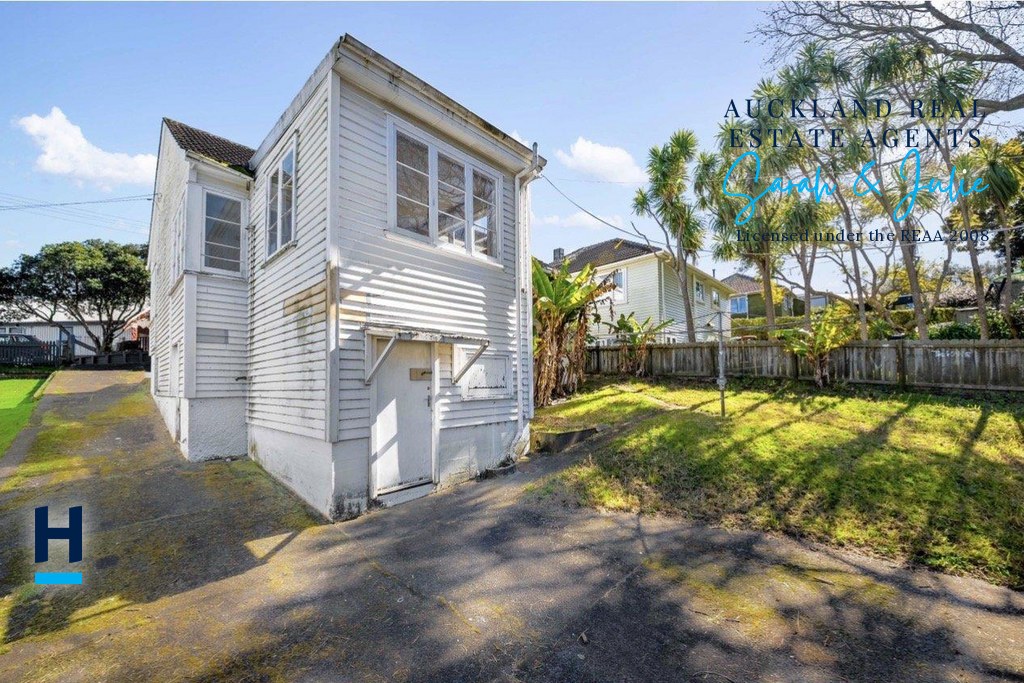
We’ve just listed a good example of exactly this kind of opportunity at 23 Pleasant Street, Onehunga — a full freehold 604m² site, positioned directly opposite Onehunga High School. The home, a classic 1940s former school caretaker’s cottage, is not habitable and is being sold strictly as a renovation or demolition project, as is where is.
What makes it stand out is the site itself: a generous freehold section, Residential – Mixed Housing Suburban (MHS) zoning, a quiet residential setting, and an elevated outlook towards the Manukau Harbour. It’s a good illustration of the due diligence conversation above in action — this is a property where the land, zoning and location carry the value, and where a building inspection, legal advice and firm worst-case budgeting will matter more than the current state of the dwelling. It’s for sale by tender, closing Friday 25 September at 4pm.
Why a Do-Up Can Be Smart Buying
Done well, a do-up can offer something increasingly hard to find: a generous site, a good location, and the ability to shape a home entirely to your own vision, often at a price point that reflects the work required rather than a finished product. For builders, developers and renovators alike, that gap between “as is” value and future potential is exactly where the opportunity lies.
Talk to the Right People Before You Commit
Before submitting an offer on any do-up, get your solicitor to review the title and council documentation, arrange a building inspection with a Licensed Building Practitioner, get quotes from your trades, and speak with your mortgage broker about finance. A good agent can also give you a realistic read on the site’s potential and how similar properties have performed — something we cover through our services.
Sarah & Julie work across all types of Auckland property — from move-in-ready family homes to renovation projects, do-ups and development sites — across 20 suburbs in central and west Auckland.
Frequently Asked Questions
Is it better to buy a do-up for the land or the house?
It depends on the property. With many older, non-habitable homes, the value sits in the land — the site size, zoning and outlook. Get clear on which you’re really buying before you commit, and let that guide your budget and your due diligence.
What due diligence should I do before buying a do-up in Auckland?
At a minimum, arrange a building inspection with a Licensed Building Practitioner, get legal advice on the title and council file, obtain quotes from trades, and check the council file for consents and zoning. Always budget on worst-case numbers with a healthy contingency.
What does “as is where is” mean?
It means the property is sold in its current condition, with the buyer accepting it as it stands. For a do-up, that makes thorough due diligence and realistic budgeting especially important before you make an offer.
Thinking About Taking on a Renovation Project?
If you’re considering a do-up in Onehunga or anywhere in the wider area, we’re always happy to talk through what to look for and help you assess whether a project like this is the right fit for you. Get in touch for a chat — no pressure, no obligation, just a good honest chat.